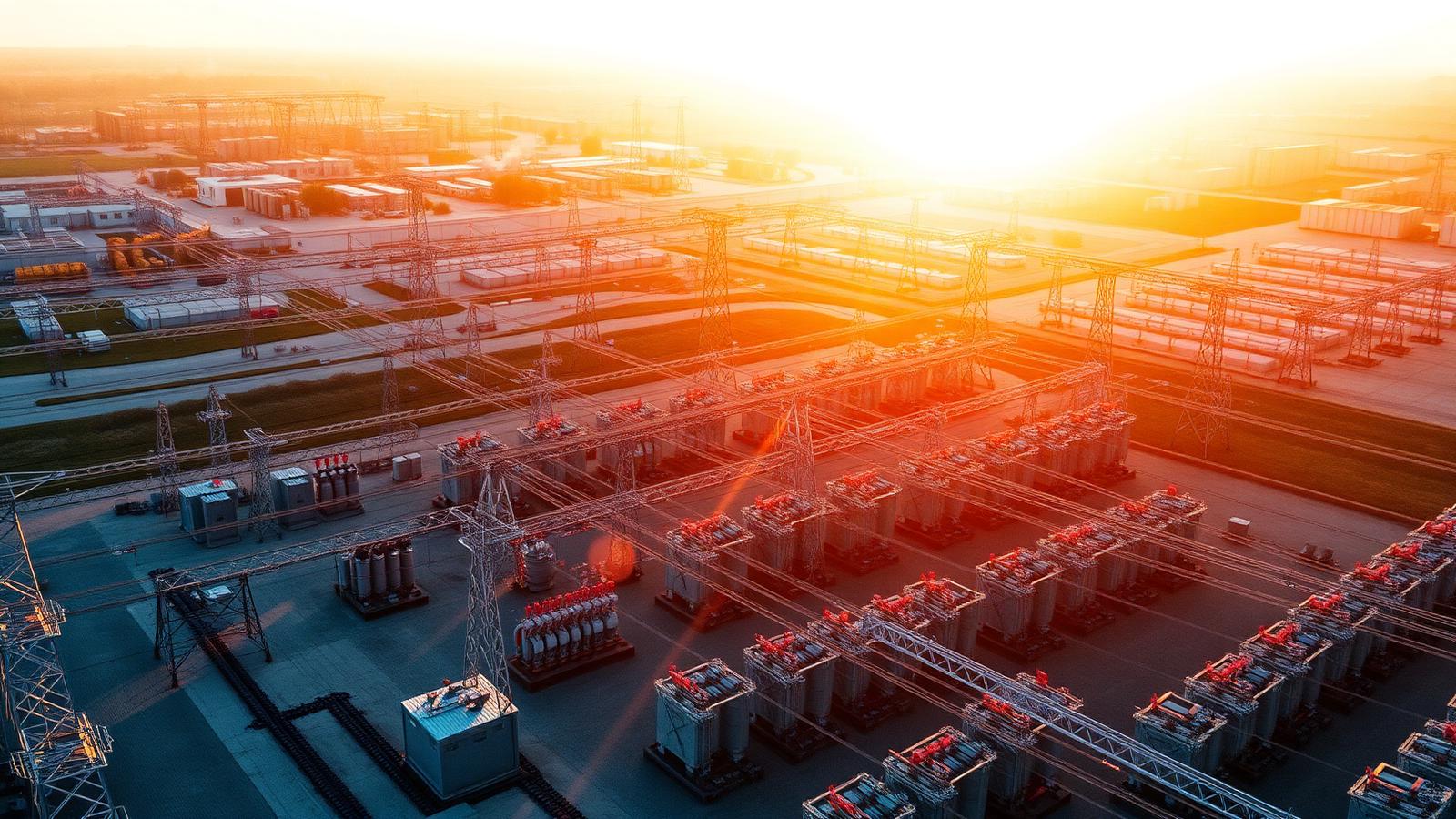
Q2 2026 · Intelligence Report
The Future of AI Infrastructure May Run Through the Permian Basin.
Stock & Milster's Q2 2026 Permian Infrastructure Intelligence Report analyzes the emerging intersection of AI-driven power demand, utility-scale infrastructure, natural gas economics, transmission expansion, private-grid development, hyperscale land positioning, water infrastructure, and industrial electrification.
3.2M+
Acreage Tracked
4
Strategic Counties
115–345 kV
Voltage Tiers
ERCOT West
Coverage
Section 01
Executive Overview
The Basin now supports AI compute expansion, hyperscale data centers, utility-scale solar, battery energy storage systems (BESS), gas-to-power infrastructure, private-grid ecosystems, and industrial electrification.
Abundant natural gas, large contiguous acreage, transmission optionality, low-density development profiles, and expanding industrial infrastructure create a uniquely strategic environment for long-duration infrastructure investment.
Section 02
Why the Permian Basin Matters
AI Power Demand
Hyperscale AI infrastructure requires scalable baseload power, large campuses, and reliable energy ecosystems.
Natural Gas Abundance
One of the strongest gas supply advantages globally for private-grid and behind-the-meter power strategies.
Large-Scale Land Control
Contiguous acreage positions create strategic advantages for industrial-scale development.
ERCOT Flexibility
ERCOT's market structure creates increased optionality for power-intensive infrastructure projects.

Field Capture · Permian Basin · Transmission Corridor
Section 03
Highest-Value Infrastructure Counties
Reeves County
Strategic Importance
- · Data-center corridor
- · Transmission adjacency
- · Solar + BESS potential
- · Gas-to-power opportunity
Key Opportunities
- · AI campuses
- · Utility-scale solar
- · Industrial infrastructure
- · Private-grid systems
Loving County
Strategic Importance
- · Delaware Basin core exposure
- · Concentrated energy infrastructure
- · Surface-control importance
Key Opportunities
- · Industrial power hubs
- · Private-grid ecosystems
- · Energy-intensive compute
Pecos County
Strategic Importance
- · Massive acreage availability
- · Infrastructure scalability
- · Hybrid energy development
Key Opportunities
- · Hyperscale campuses
- · Gas + solar hybrid systems
- · Long-duration BESS
Ward County
Strategic Importance
- · Infrastructure corridor positioning
- · Transmission expansion potential
Key Opportunities
- · Industrial infrastructure
- · Logistics + power development
Section 04
Strategic Land Control
Texas Pacific Land Corp.
873,000–882,000 acres
- · Premier surface ownership
- · Water infrastructure
- · Transmission flexibility
- · Data-center positioning
University Lands / UT System
~2.1 million acres
- · Institutional land control
- · Renewable energy optionality
- · Infrastructure scalability
LandBridge
Loving · Reeves · Ward · Winkler · Pecos
- · Data-center infrastructure
- · Water systems
- · BESS development
- · Surface aggregation
EagleRock Land
~236,000 acres
- · Infrastructure monetization
- · Renewables
- · Transmission corridors
- · Industrial development
Legacy Ranch Families
Fasken · Scharbauer · Harrison / 1918 Ranch & Royalty · Briscoe-linked
- · Long-standing regional land, oil, ranching, banking, and infrastructure influence.
Section 05
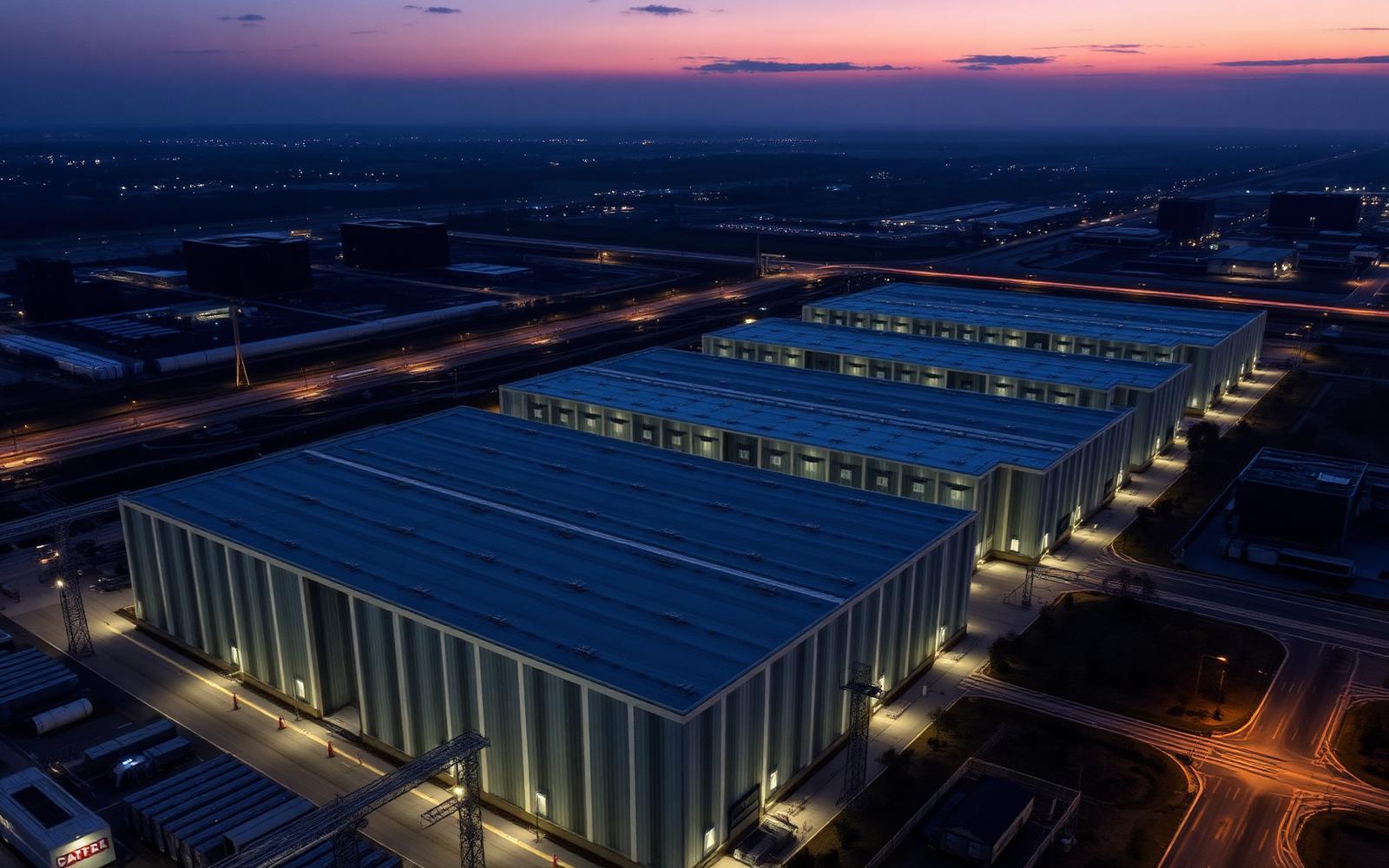
AI Infrastructure Expansion
The Permian Basin is increasingly positioned as a future hyperscale compute corridor, private-grid ecosystem, and industrial AI infrastructure region.
Target Infrastructure Participants
- Hyperscalers
- Colocation operators
- AI compute platforms
- Private-grid developers
- Gas generation groups
Section 06
Transmission & Power Infrastructure
Deliverable Power
Transmission proximity increasingly determines infrastructure viability.
Preferred Voltage Levels
- · 345 kV
- · 230 kV
- · 138 kV
- · 115 kV
Ideal Site Characteristics
- · Gas proximity
- · Water availability
- · Low-density population
- · Contiguous acreage
- · Floodplain avoidance
Section 07
Gas-to-Power Infrastructure Thesis
The Basin's natural gas production creates unique opportunities for modular generation, behind-the-meter power, industrial microgrids, AI compute campuses, and hybrid energy ecosystems.
Emerging Trend
Natural gas may increasingly monetize through compute infrastructure rather than pipeline exports alone.
Section 08
Renewable Infrastructure Expansion
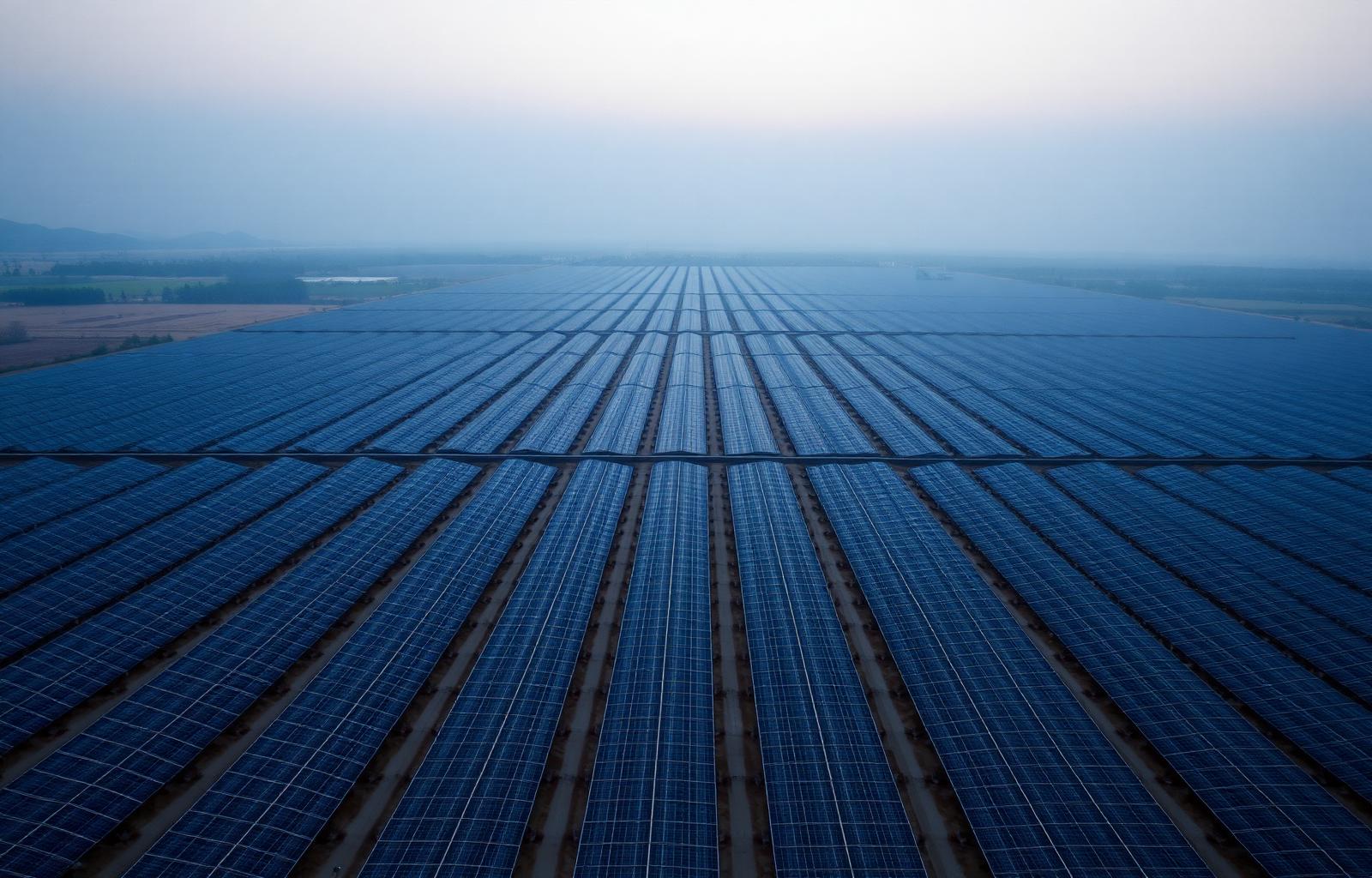
Utility-Scale Solar
Irradiance, terrain, acreage scale, and industrial demand growth support long-duration solar development.
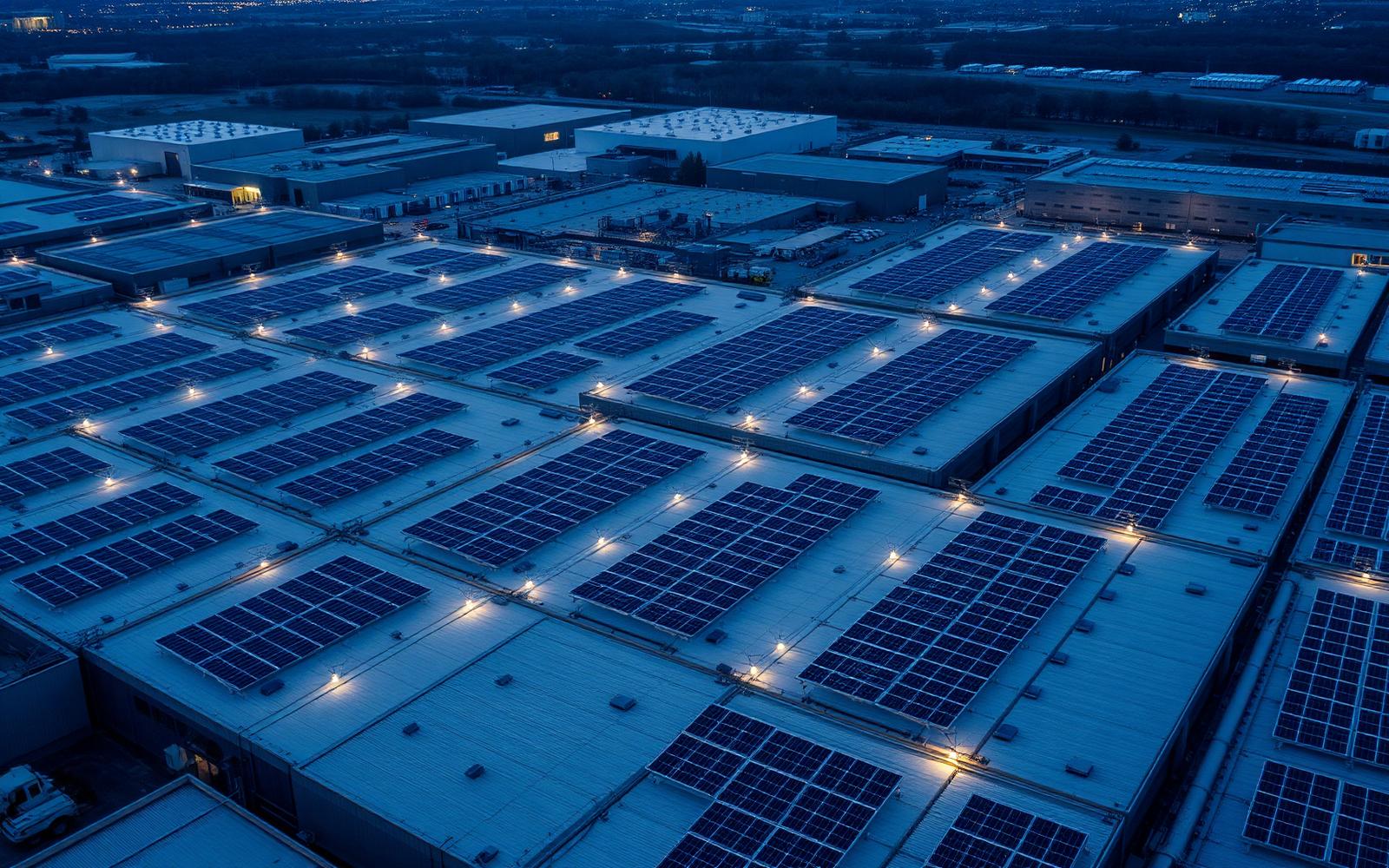
Battery Energy Storage (BESS)
Expected growth drivers: AI load balancing, ERCOT volatility, hybrid systems, grid stabilization.
Section 09
Water Strategy & Infrastructure
Produced-Water Reuse
Closed-loop systems leveraging existing oilfield water flows.
Recycling Infrastructure
Industrial-scale treatment supporting power and compute campuses.
Industrial Water Systems
Dedicated systems serving cooling and process loads.
Long-Term Water Security
Multi-decade contracts and surface-water rights aggregation.

Section 10
Infrastructure Capital Flow
Featured Categories
Core Thesis
Institutional capital is increasingly pursuing land, power, transmission, water infrastructure, and AI-aligned energy ecosystems.
Section 11
Key Market Risks
Transmission Congestion
Long-term deliverability constraints.
Water Availability
Increasing infrastructure dependency.
Regulatory Shifts
ERCOT and policy evolution.
Infrastructure Saturation
Competition in core counties.
Commodity Exposure
Indirect linkage to gas economics.
Section 12
Long-Term Strategic Outlook
The Permian Basin is evolving into one of North America's most strategically important energy corridors, AI infrastructure regions, private-grid ecosystems, and industrial power markets.
The most valuable long-term assets may increasingly become surface control, power access, transmission proximity, water infrastructure, and development-ready acreage — rather than traditional extraction assets alone.
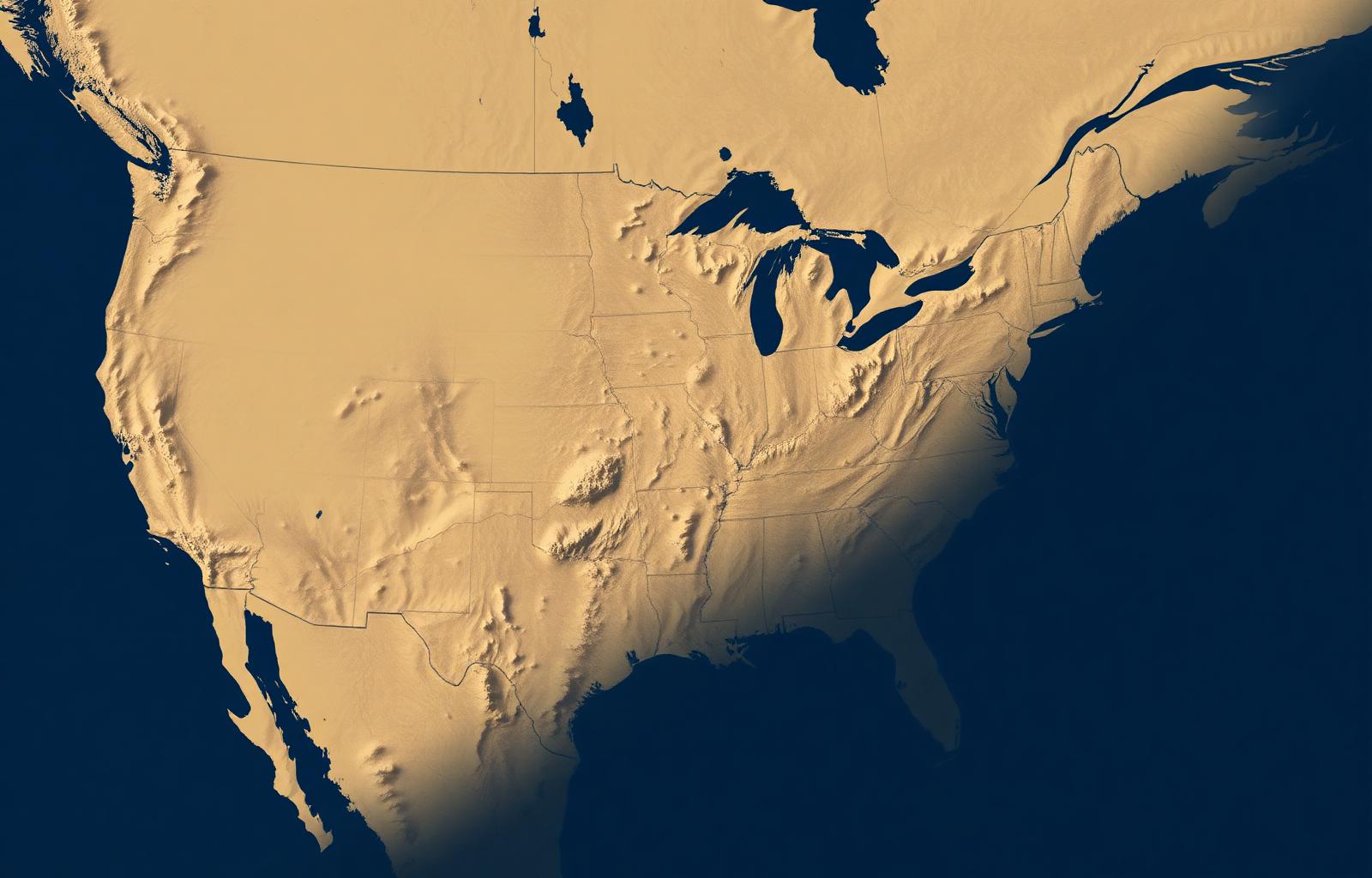
Strategic Surface · Development-Ready
The decision begins where the grid, the gas, and the land converge.
Engagement
Request a Strategic Infrastructure Briefing.
For institutional groups evaluating land strategy, infrastructure positioning, AI power demand, utility-scale development, transmission-adjacent opportunities, and data-center expansion. Stock & Milster provides infrastructure intelligence designed to support long-duration strategic decision-making.